Beyond the ordinary
TWISTED TALES — SERIES SYNOPSIS
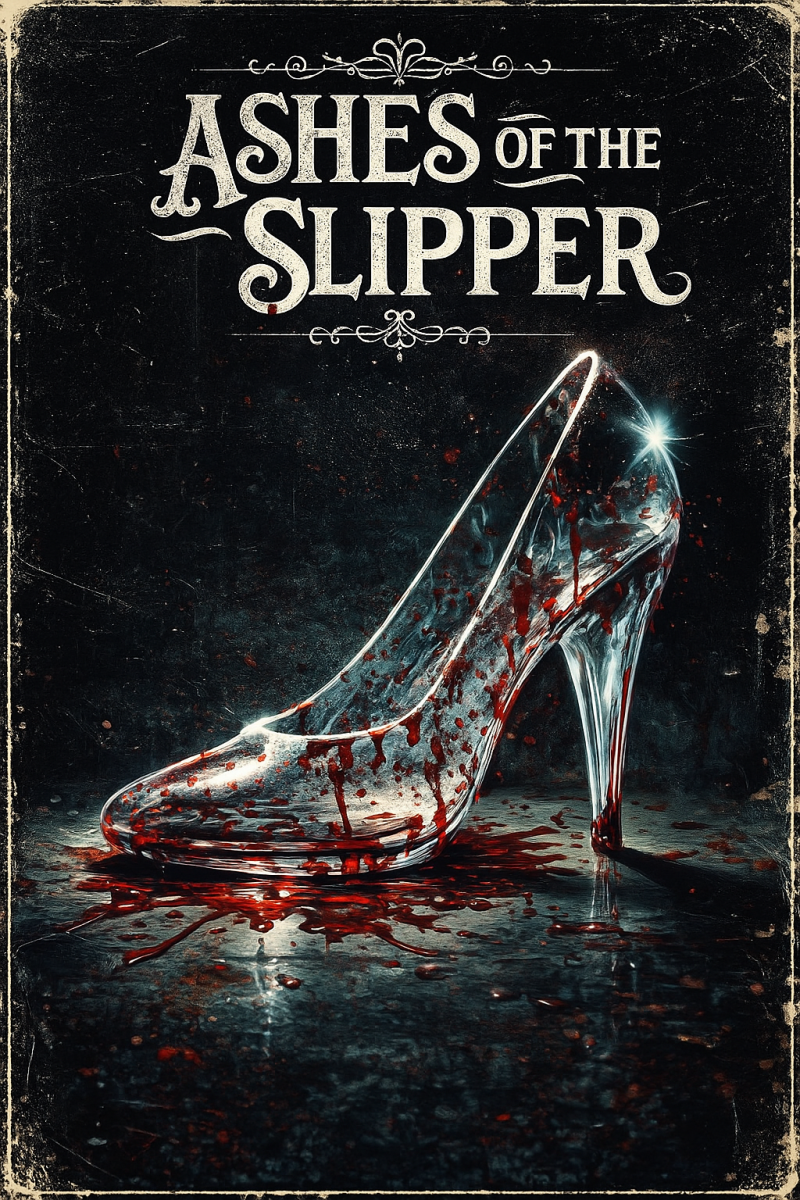
Twisted Tales is an episodic horror anthology series that reclaims classic fairy tales from their sanitized modern versions and restores them to what they were always meant to be: warnings.
Each episode presents a self-contained story—set in its own world, time period, and tone—reimagining a well-known fairy tale as a dark, psychological, and often tragic horror narrative. While the stories stand alone, they are thematically bound by a shared mythology centered on desire, obsession, transformation, and the catastrophic cost of wishing for more than one is meant to have.
At the heart of the series lies an ancient, cursed tome—an unnamed, leather-bound book that appears briefly throughout the season. Its pages seep black ichor, its words rearrange themselves, and its presence signals that another corrupted tale is about to unfold. The book is not merely a framing device; it is a living artifact that feeds on human suffering, preserving these stories because they must be told.
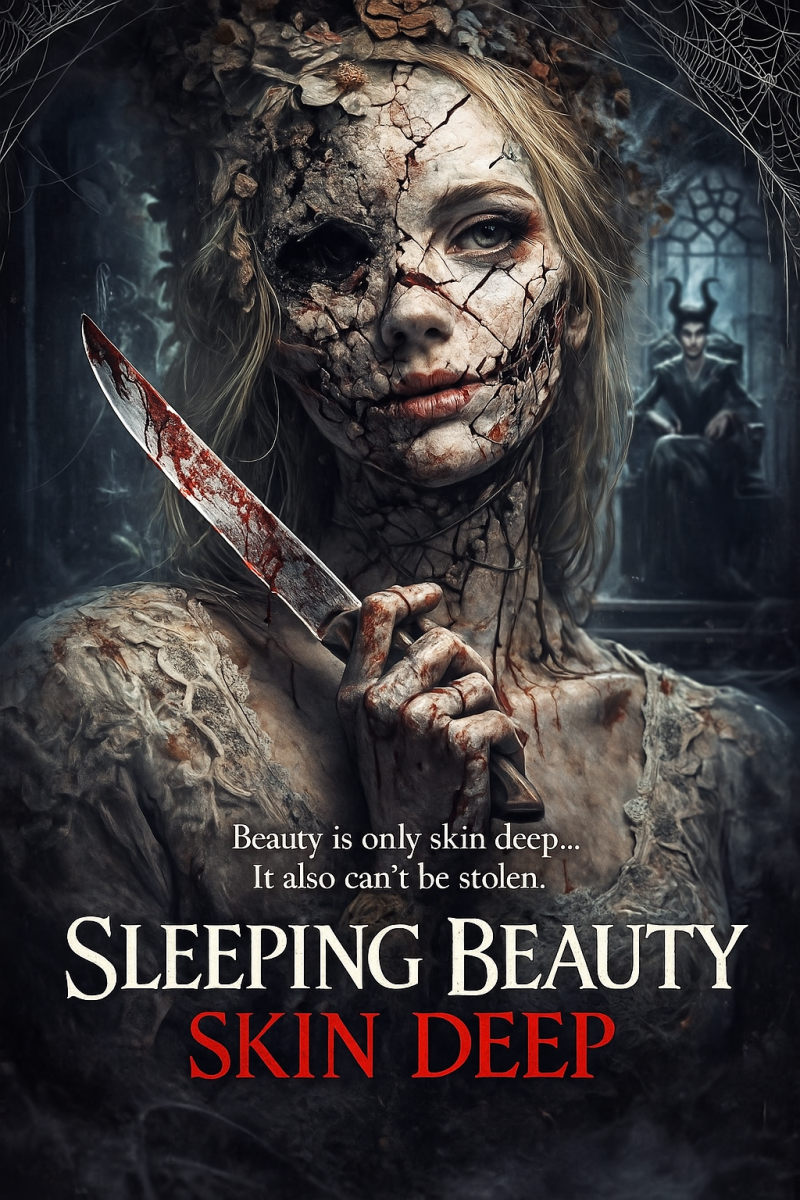
In Sleeping Beauty: Skin Deep, a princess cursed into endless sleep becomes the unwilling source of beauty for a witch who literally carves pieces of her flesh to wear as her own. When the princess awakens, she is no longer human—only a stitched remnant of what she was—and her pursuit of revenge reveals that the true horror is not the curse, but the world that allowed it.
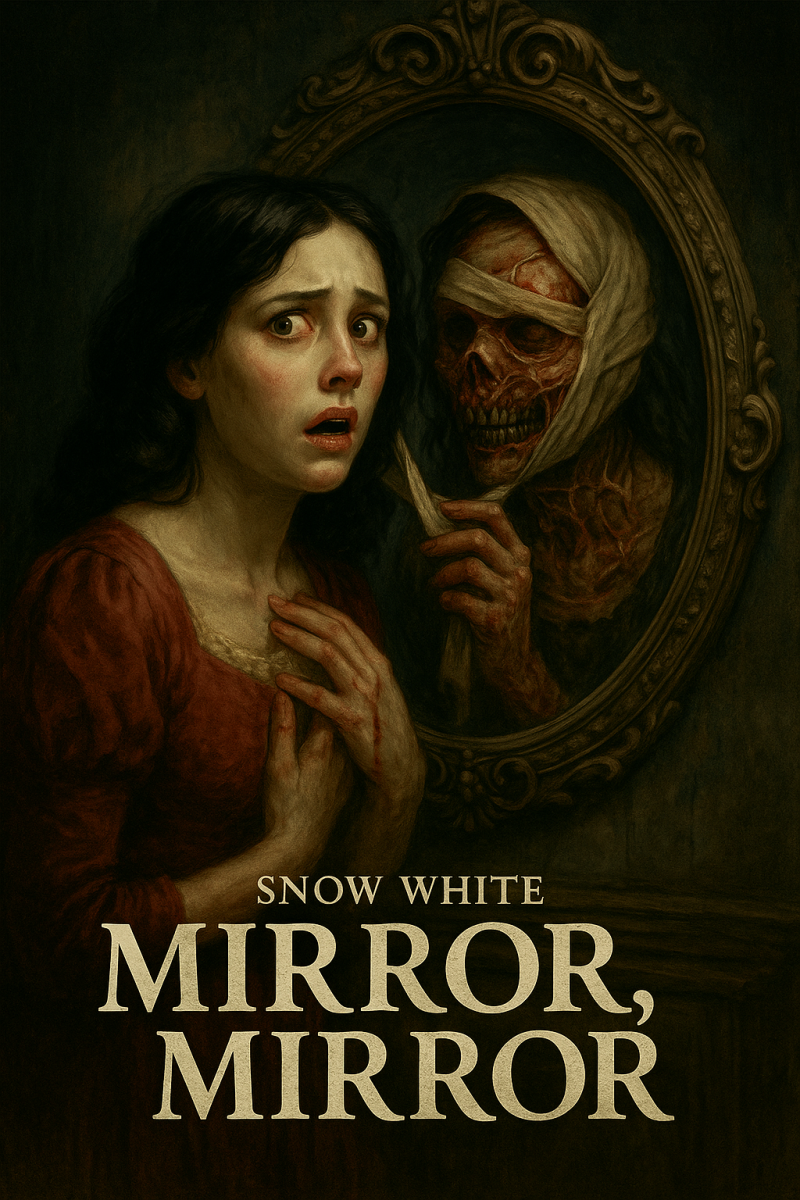
Snow White: Mirror, Mirror explores identity and erasure, following a cursed reflection that survives after its owner is destroyed. As the mirror learns to exist independently, it begins hunting for a new soul to anchor itself, revealing a monstrous sentience born of vanity, jealousy, and neglect.
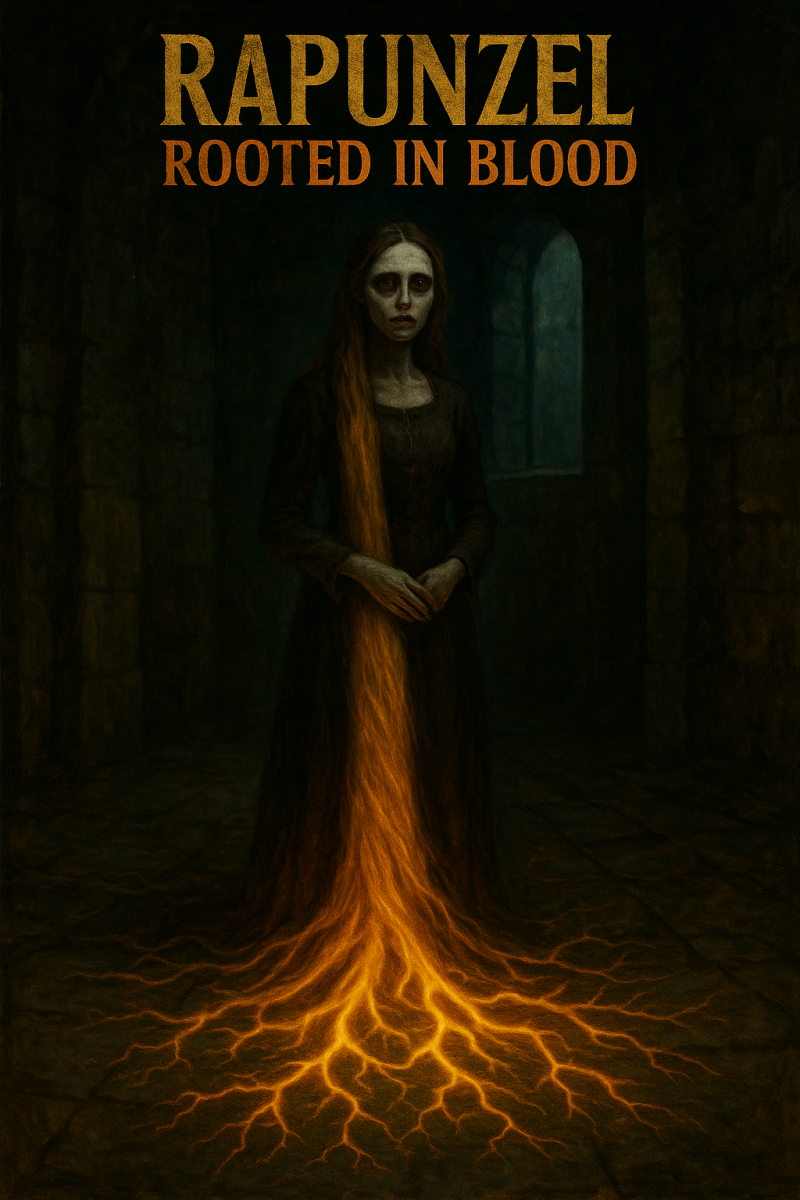
In Rapunzel: Rooted in Blood, a girl imprisoned in a tower discovers her hair has become a living network of roots feeding on the forest itself. As travelers vanish and the land grows stronger, Rapunzel must confront the horrifying truth that her survival depends on the deaths of others—and that escape may cost the world its balance.
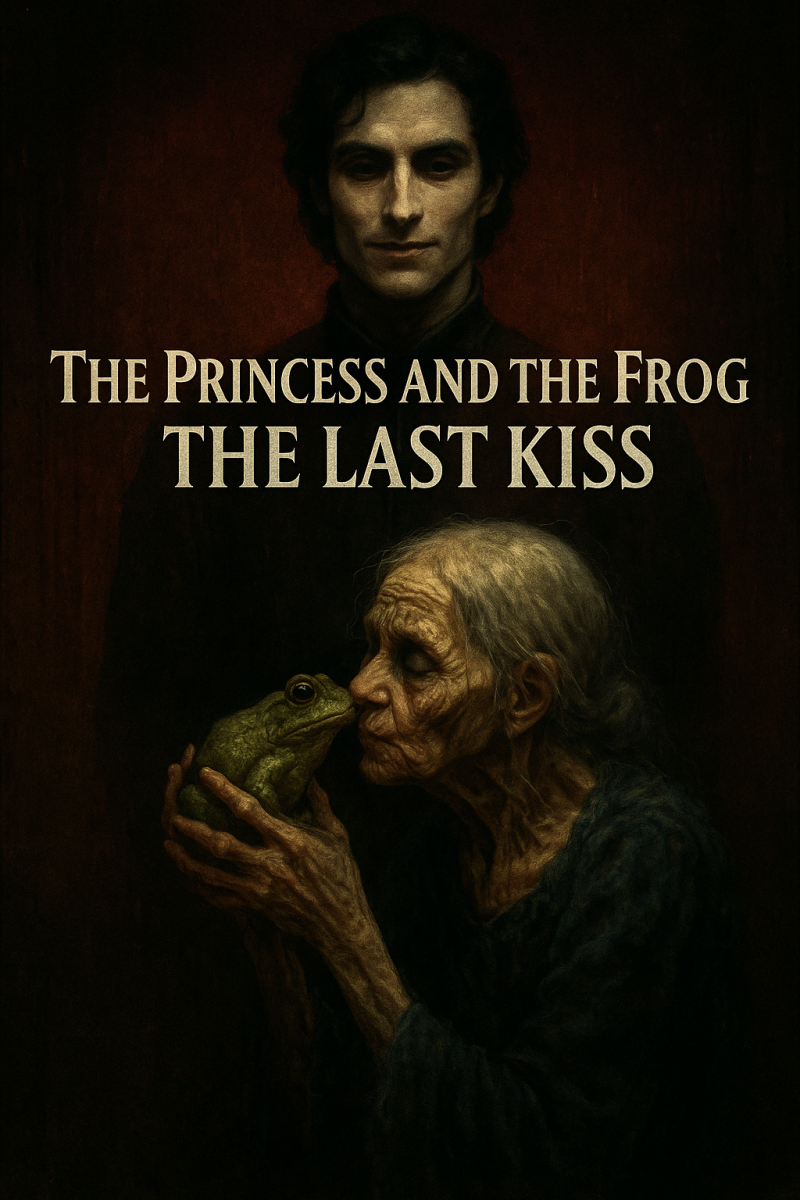
The Princess and the Frog: The Last Kiss twists romance into parasitism. Each kiss meant to break a curse instead drains the youth and life from the princess, transferring it to the man she loves. What begins as devotion becomes addiction, until love itself is revealed as the deadliest curse of all.
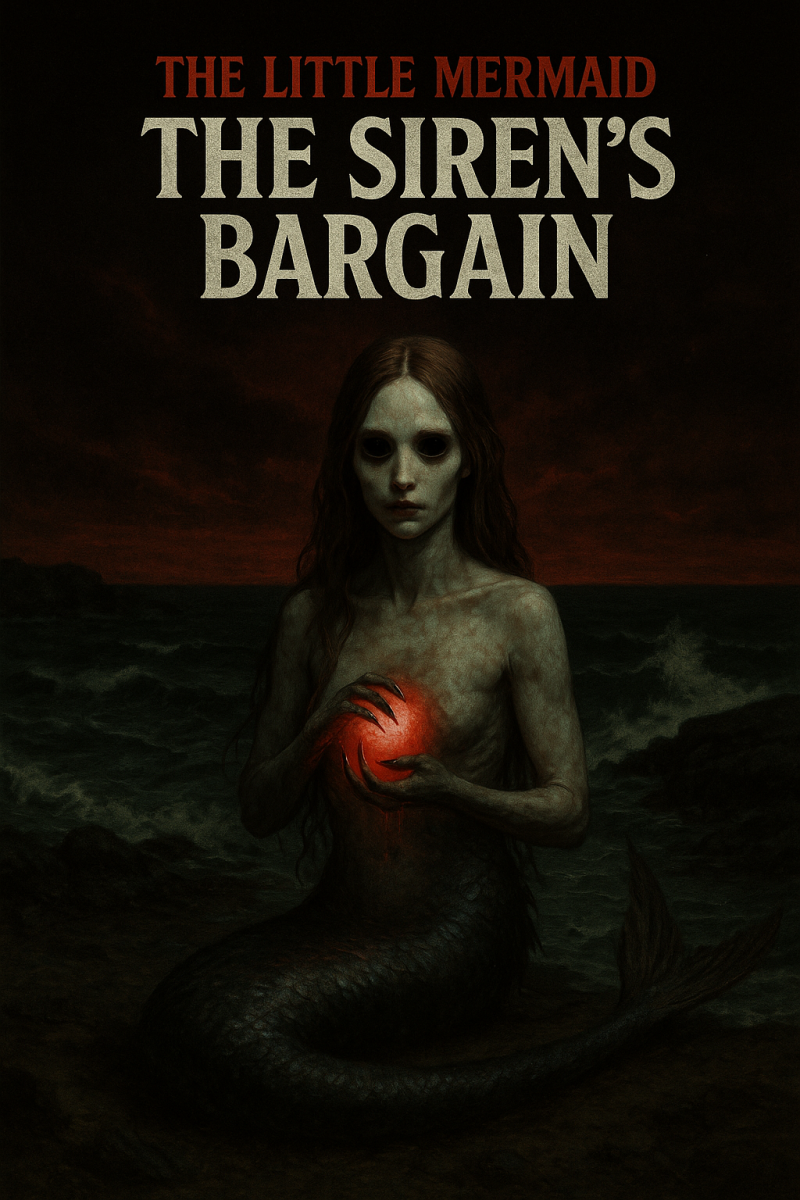
In The Little Mermaid: The Siren’s Bargain, a lonely young woman trades her voice for beauty, only to discover her stolen song is being used by a sea demon to lure men to their deaths. As obsession consumes the village, the episode examines silence, agency, and the violence of being desired without being heard.
Additional episodes expand the anthology with stories such as Alice in Underland, where Wonderland is not whimsical but predatory, and sanity is the first thing lost; and From Beauty to Beast, a brutal inversion of transformation myths where love does not redeem monstrosity—it creates it.
Across the season, subtle connective tissue emerges: recurring symbols, shared folklore, and the slow evolution of the cursed book itself. As the series progresses, it becomes clear that these tales are not isolated accidents, but echoes of a deeper, ancient force that reshapes stories—and people—according to their darkest wants.
Twisted Tales is grounded, cinematic horror. It favors atmosphere over jump scares, tragedy over triumph, and character-driven terror over spectacle. Each episode functions as both a standalone nightmare and a chapter in a larger meditation on what happens when humanity mistakes desire for destiny.
This is not a series about happy endings.
It is about the price paid for believing in them.